

Set-Top Box Data: How It’s Used For TV Measurement
Set-top boxes, integral to traditional cable and satellite TV services, offer a treasure trove of viewership data useful for TV measurement.
Read MoreSet-top boxes, integral to traditional cable and satellite TV services, offer a treasure trove of viewership data useful for TV measurement.
Read More
Nielsen panels, often considered the industry’s gold standard, involve monitoring the viewing habits of a sample set of users to gauge TV ad effectiveness.
Read More
Step into the world of post-conversion surveys and their critical role in understanding the effectiveness of TV ads in our latest YouTube video.
Read More
Despite their simplicity, these surveys, when implemented correctly, can provide valuable insights into the influence of TV to brands’ bottom line.
Read More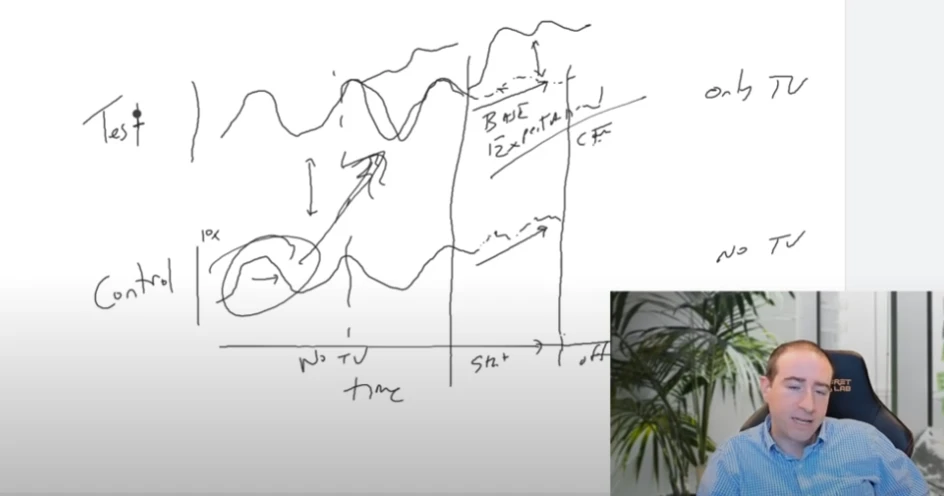
This analytical approach combines the power of time-series analysis with geographic controls using Designated Market Areas (DMAs).
Read More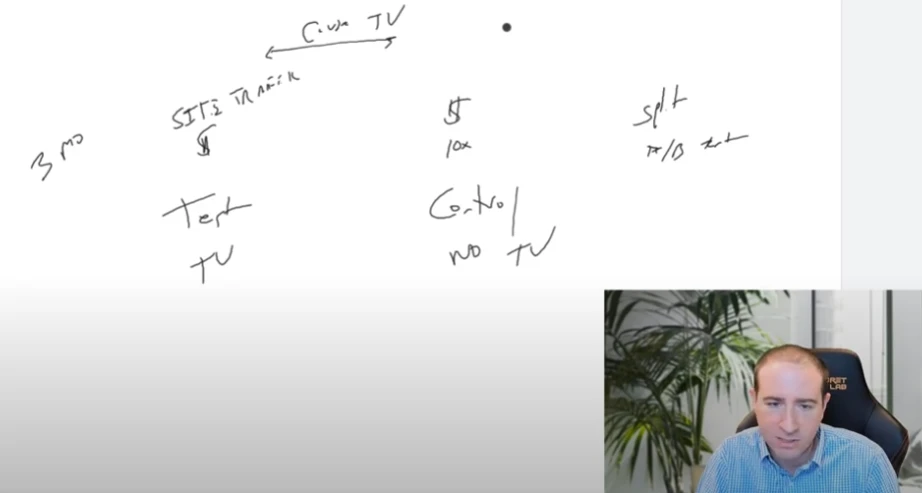
This method involves selecting distinct geographic regions, known as Designated Market Areas (DMAs), and designating them as either test or control groups.
Read More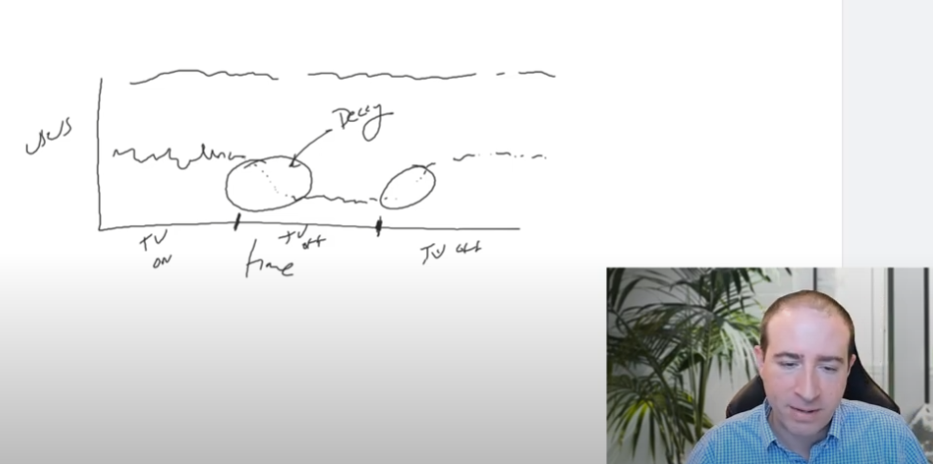
Dive into the concept of ‘Dark Periods’ in TV advertising, a critical technique for analyzing and calibrating the delayed impact of TV ads.
Read More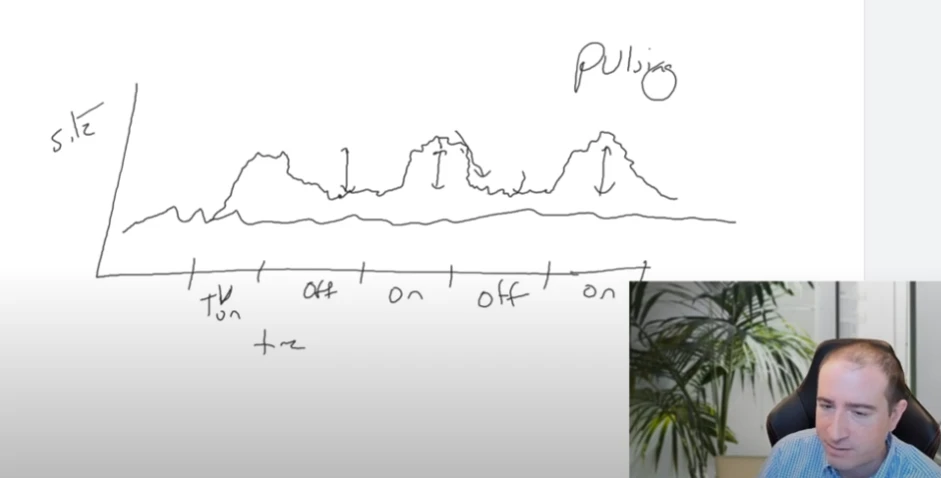
The Pulsing Strategy: An overview of what pulsing TV ads on and off entails and its significance in marketing strategies.
Read More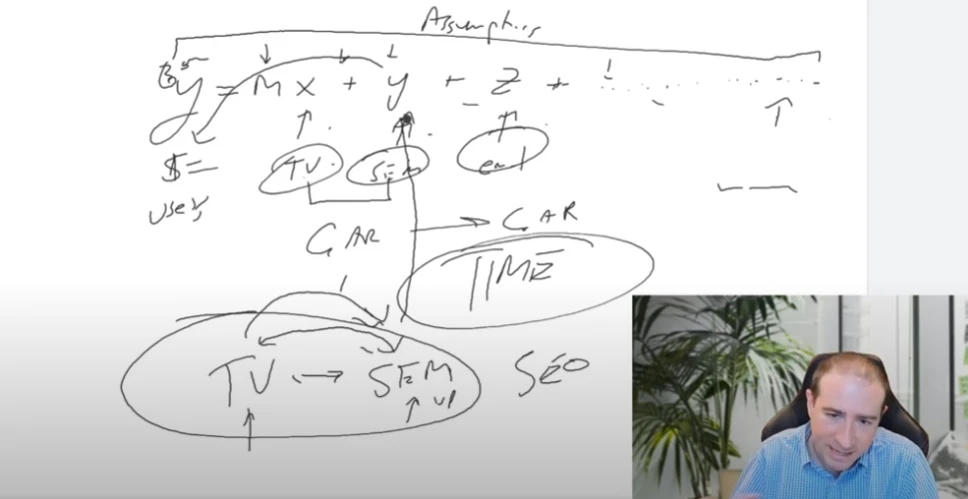
Econometric models aim to understand how different channels’ spending, including TV, translates into revenue or other impacts for a brand.
Read More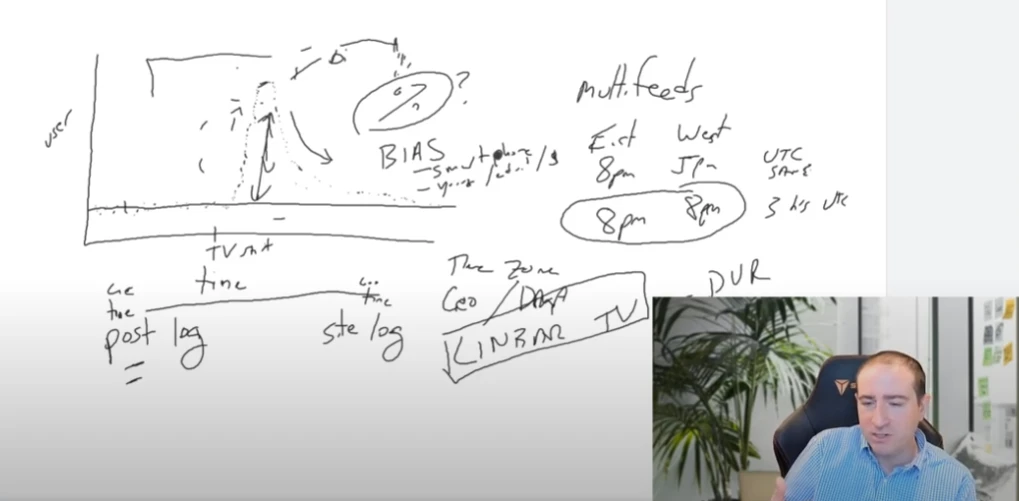
Post-spot lift analysis involves correlating video ad timestamps with web log data to gauge the impact of TV ads on viewer behavior.
Read MoreThe Credit Score for Ads. Know Before You Show.
Protected by U.S. Patent No. 12,020,279 B2 and additional patents pending.
